


Information classification
Hot news
What are the synthesis methods of alkyl glycosides?
2024-09-11 14:37
What are the performance characteristics of alkyl glycosides?
2024-09-11 14:36
What is the one-time usage amount of alkyl glucoside?
2024-09-11 14:35
What does the HLB value of alkyl glycosides mean?
2024-09-11 14:34
The main use of alkyl glycosides!
2024-09-11 14:32
What is alkyl glycoside surfactant?
2024-09-10 14:16
How should betaine hydrochloride be stored?
Source:
2024-07-25 14:53
Author:
Source:
Betaine hydrochloride, also known as betaine hydrochloride, is a general term for a class of organic compounds with multiple important functions and a wide range of applications. The following is a detailed introduction to betaine hydrochloride:
Basic Information
- Chinese name: Betaine Hydrochloride
- Foreign name: (Carboxymethyl) trimethylammonium hydroxide
- Alias: Betaine Hydrochloride
- Appearance: White to slightly yellow crystalline powder, with a sour and astringent taste, and hygroscopicity
- Solubility: Easy to dissolve in water and ethanol, difficult to dissolve in ether and chloroform
Chemical properties
- Molecular formula: C5H11NO2 · HCl
- Molecular weight: 153.6070
- Purity: Generally, the required content is not less than 98.0%, and high-quality products can achieve higher purity
CAS number: 590-46-5
Effect and Application
- Nutritional additives:
- Betaine hydrochloride is an efficient, high-quality, and economical nutritional additive that promotes food intake and growth. It is widely used in livestock, poultry, aquaculture, and various pet animal feed.
- Providing methyl as a methyl donor can partially replace methionine and choline chloride, reducing feed costs.
- Promote growth and metabolism:
- Participate in fat metabolism, promote protein synthesis, improve animal carcass quality and chest muscle mass.
- Adding it to pig feed can increase the eye muscle area, reduce the average thickness of pig backfat, improve lean meat percentage and carcass quality.
- Adding it to chicken feed can improve the carcass quality and chest muscle mass of broiler chickens, reduce abdominal muscle deposition, and lower feed to meat ratio.
- Food attractant activity:
- Betaine hydrochloride is a quaternary ammonium alkaloid that stimulates the sense of smell and taste in animals, promotes feeding, improves the palatability and utilization of feed, and increases feed intake and daily weight gain.
- It has a strong sense of smell towards fish and is the main attractant component of feed.
- Osmotic pressure regulation:
- When there is a sudden change in osmotic pressure, betaine hydrochloride can effectively prevent cell water loss, improve the function of the NA/K pump, and enhance the tolerance of the object to water shortage, high temperature, high salt, and high osmotic environment.
- Stabilize enzyme activity and the function of biomolecules, thereby regulating the ion balance of animal intestinal water, maintaining intestinal function, and slowing down the occurrence of diarrhea.
- Other functions:
- Protect vitamins in feed and improve their effectiveness.
- As a raw material in the pharmaceutical industry, it is used to prevent liver disease.
- It can be used for the treatment of gastric acid deficiency, atherosclerosis and liver diseases.
- It is an important raw material for the veterinary drug Tylosin.
Storage and Specifications
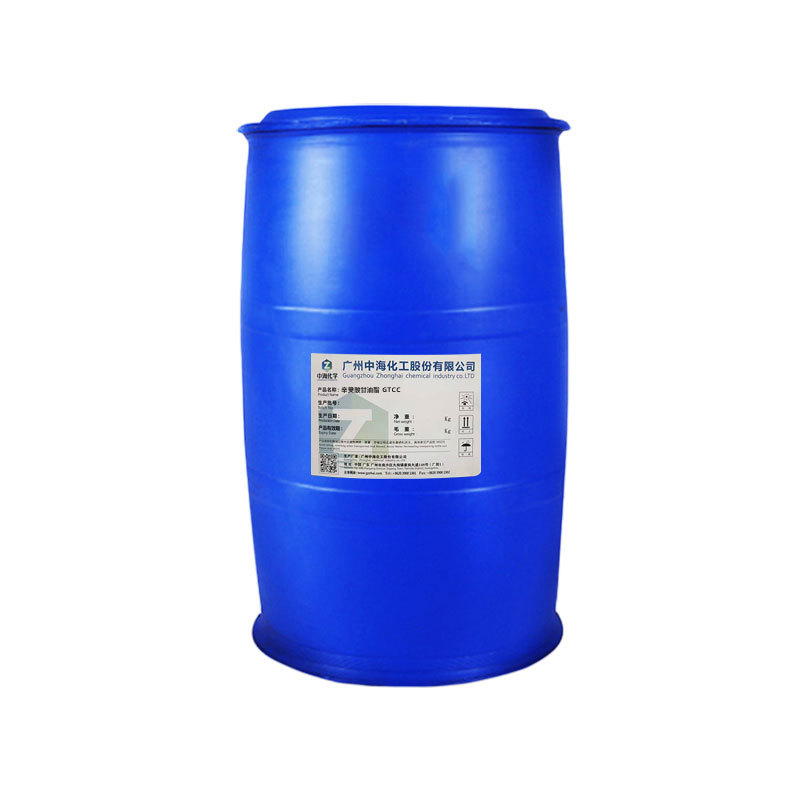
- Storage method: Store in a cool, dry, and dark place, with a shelf life of two years.
- Product specifications: It is usually sold in plastic bags weighing 25kg, barrels, or boxes, and can also be specially packaged according to user requirements.
- Product level: It is divided into different levels such as feed grade, pharmaceutical grade, and industrial grade. The content, drying weight loss, burning residue, and other indicators of each level of product are different.
In summary, betaine hydrochloride, as an important organic compound, has broad application prospects and significant economic value in fields such as feed additives, pharmaceuticals, and chemicals.

Legal Notices | Privacy Policy | Related Links | Contact Us
Copyright @ 2024 Guangzhou Zhonghai Chemical Co., Ltd. All rights reserved SEO Cityproducts